
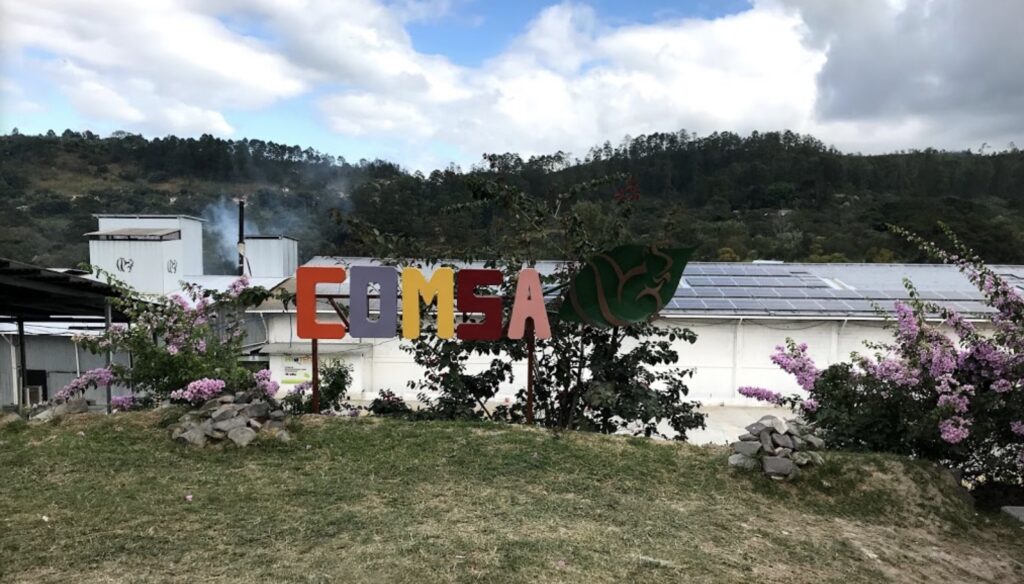
This month at Nate’s Coffee, we are roasting up a delicious coffee from Honduras. This coffee came from the COMSA Co-Op, which serves the Marcala region of Honduras. COMSA’s mission focuses on “creating new and alternative development opportunities for small-scale coffee farmers in the region.” Let’s take a look at why we love the COMSA Co-Op and the coffee they are producing.
Founding of COMSA
In 2001, sixty-nine Honduran coffee farms came together to form COMSA (Cafe Organico Marcala, S.A). The goal was to collectively sell their coffees under the umbrella of a rural credit union. Previously, farmers sold their beans to coyotes (middlemen with low-quality standards) at a price below the cost it took to grow and produce. This was because many Honduran coffee farmers were using outdated conventional chemical processing methods. Those beans were low in demand in a market suddenly flooded by specialty coffees. But they were also over-abundant, driving prices down to rock bottom.
The COMSA Mission and Practices
After its founding, COMSA focused on its primary objective: to think of innovative ways to move towards organic processing methods. COMSA formed a strong relationship with CEDECO, a Costa Rican Development company. They taught them innovative practices in soil and water conservation. CEDECO also trained them on local plant and wildlife preservation. The original co-op members learned how to produce specialty coffee beans through this education on organic agriculture.
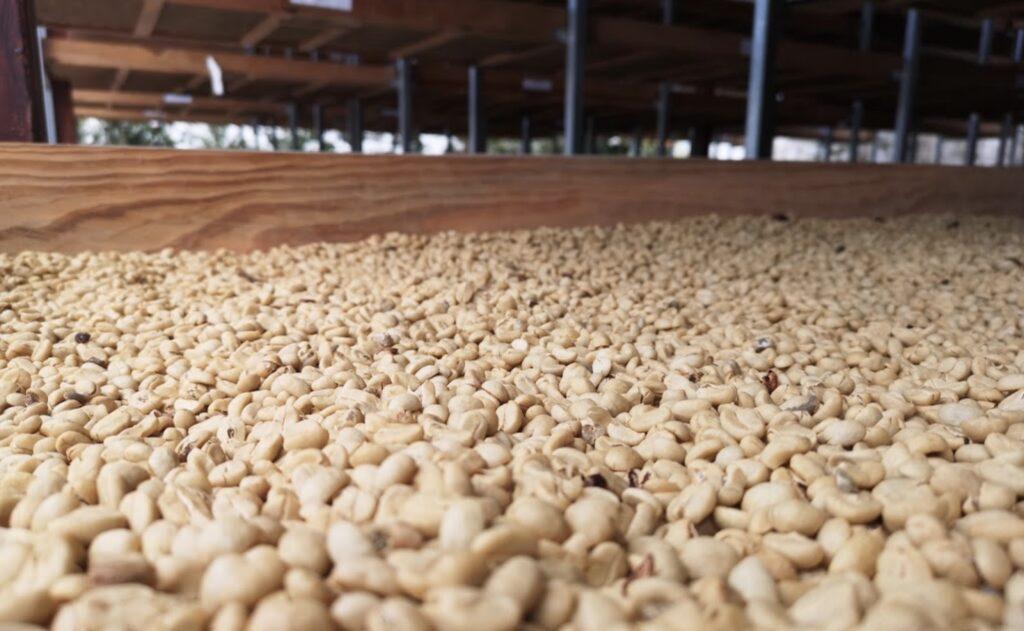
THE 5 Ms of COMSA’s Mission
- Use of organic MATTER
- Application of MICRO-ORGANISMS in compost
- Exploring the use of MINERALS
- Production of fermented live MOLECULES
- Strengthening the grey MATTER (they define this as brainpower) of their technical team, members, and strong educational program with their youth and women’s groups
Beyond making connections with organic agricultural organizations and educational resources in the area, COMSA also created relationships with a new pool of coffee purchasers. New buyers brought increased wealth to the region and gave farmers the tools to reinvest into their farms for future harvests. With more money, COMSA was able to reinvest into their farms but also their community. COMSA members use their Fair Trade price premiums to fund local social projects, teachers’ salaries, and school supplies. They also fund the construction of school cafeterias to provide meals for children.


Community Support
The co-op hosts an annual week-long workshop named “Diplomado Organico” which is a huge drawing factor for local farmers. Here, growers learn methods of organic farming techniques, and supply chain/business practices. Since its inception, interest in COMSA has grown exponentially. COMSA continues to reap its best coffee harvest yields and has seen accelerated membership growth. Today, COMSA boasts 1200 members and a long waiting list. 10% of Honduras’s export income comes from coffee, so there is no shortage of farmers interested in joining.
Beyond their commitment to organic agriculture, what drew me to this COMSA co-op coffee most was their dedication to giving back to their community. Historically, coffee has been an undervalued and exploitative industry. I love seeing coffee farms that give back to their communities in a meaningful way, while also maintaining high standards of production. So, we at Nate’s Coffee just had to try it.
Our Own COMSA Roast
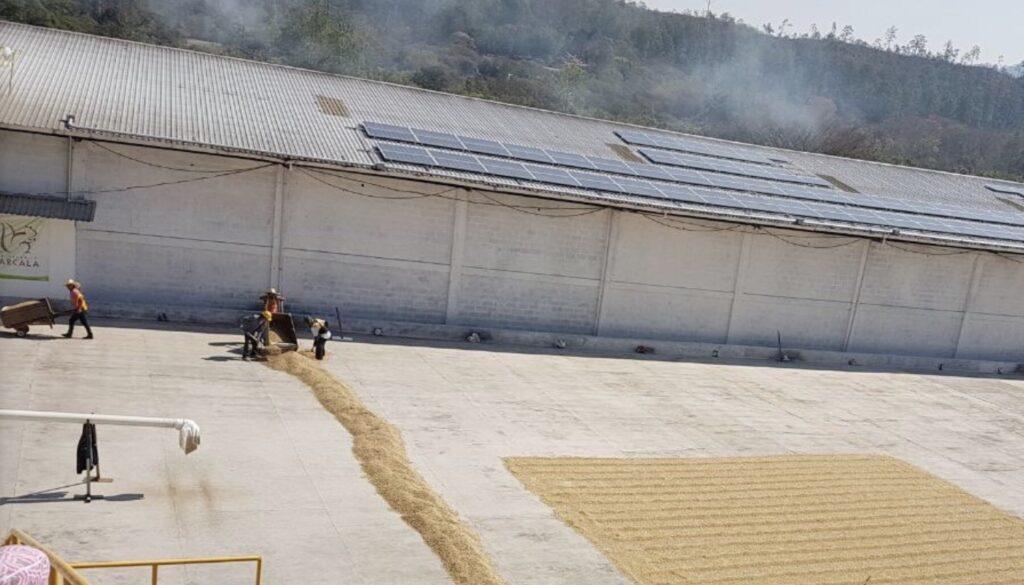
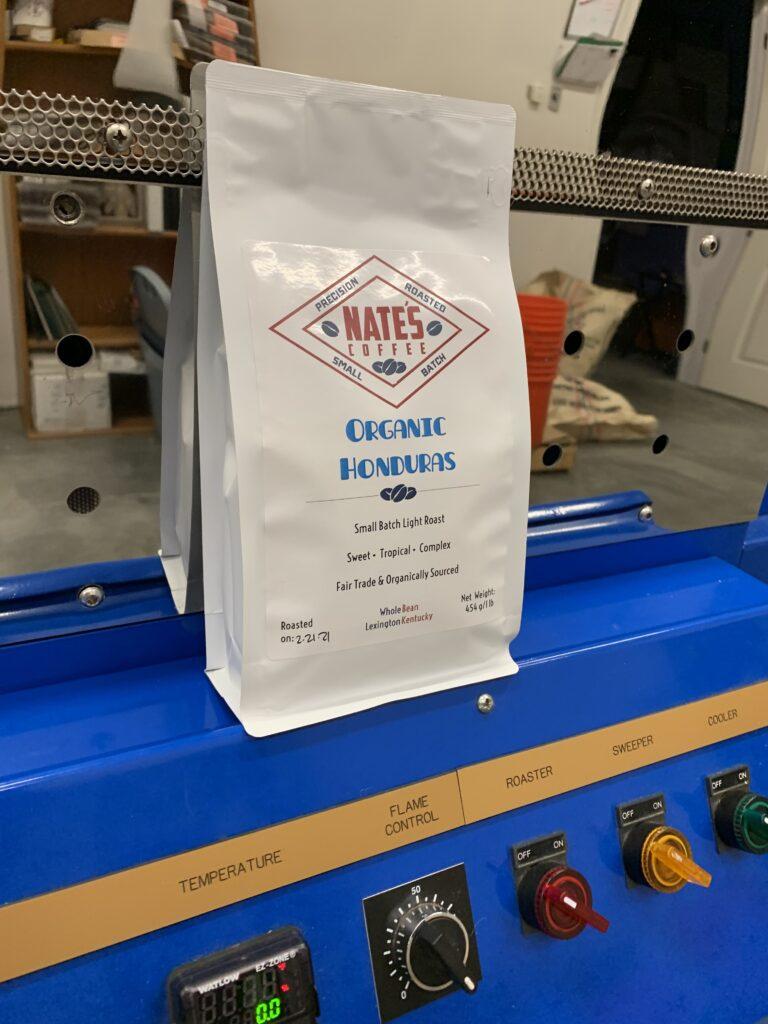
Shade grown at an elevation of 1220 meters, this coffee is naturally processed and sun-dried on patios. With notes of tropical fruit and amaretto, our Honduras grows sweeter and milder as it cools. It pairs well with Black Forest Cake, Blueberry Pancakes, or a fine cigar. Pick up a pound of this complex and enjoyable light roast on our site or at our downtown cafe!
References:
Royal New York Coffee Importers
COMSA’s Own Website (Thanks to Trish for some Spanish translations)
Coffee: A Dark History by Antony Wild
Images are from Google Street View and the Co-OP’s website
